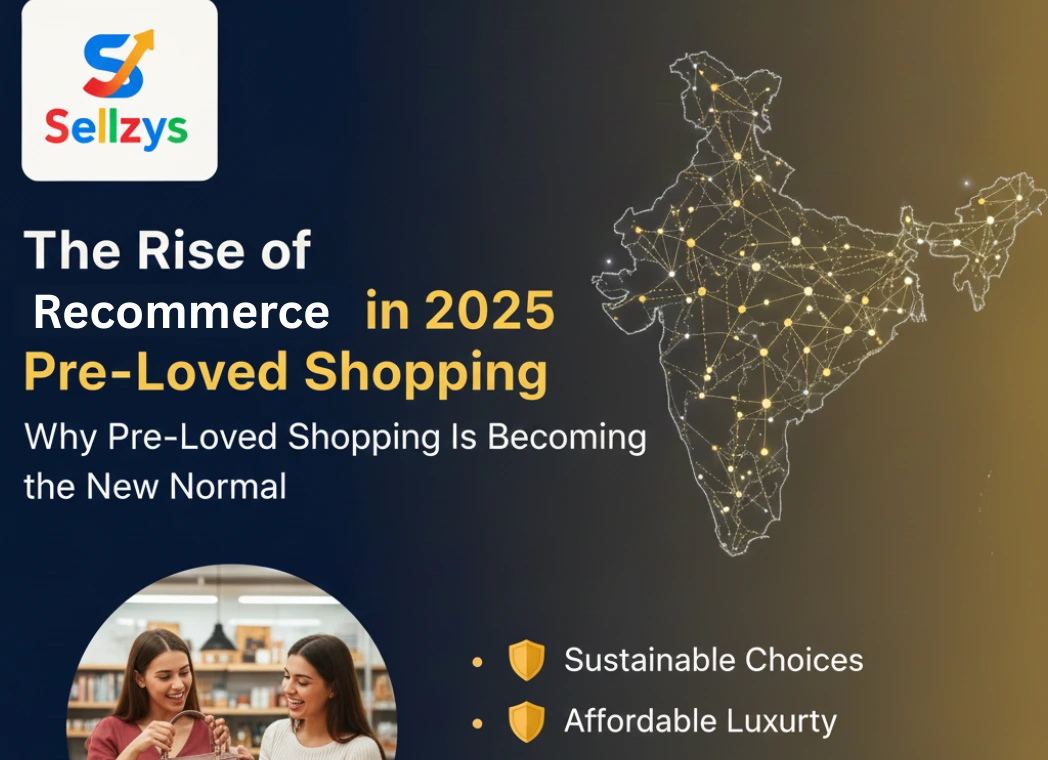
In recent years, the concept of buying and selling pre-loved products—popularly known as recommerce—has experienced an extraordinary shift. What once began as a niche trend has now become a global movement embraced by millions of consumers. The 2025 global recommerce insights reveal that shoppers are more open than ever to giving products a second life, motivated by savings, sustainability, and a deeper sense of community.
Recommerce is no longer just a cheaper alternative to traditional shopping—it’s becoming a lifestyle rooted in conscious consumption, creativity, and environmental responsibility.
Recommerce Moves From Trend to Mainstream
2025 marks a major turning point: a vast majority of global consumers plan to spend the same or more on pre-loved products than they did in 2024. This shows a clear shift in mindset—people are not just experimenting with second-hand buying; they are embracing it as a regular part of their shopping routine.
Surveys conducted across multiple countries show that recommerce is now widely recognized not only as a smart way to save money but also as an opportunity to live more sustainably. Both buyers and sellers are contributing to this circular economy, making recommerce stronger each year.
Younger Generations Are Leading the Shift
Gen Z and Millennials are driving the growth of recommerce worldwide. These generations value sustainability, individuality, and meaningful experiences. Many of them plan to increase their spending on pre-loved goods this year.
Their motivations go beyond affordability. Younger shoppers love the thrill of discovering unique, rare, or collectible items, and they are becoming powerful advocates for conscious shopping. This shift is making pre-loved shopping a cultural movement rather than just a purchasing choice.
Why Consumers Prefer Pre-Loved Products
Recommerce continues to grow because it meets both practical needs and personal values. Surveys highlight a few major reasons why shoppers prefer pre-owned items:
1. Affordability
One of the top motivations is the potential to save money. Many shoppers feel satisfied knowing they got quality items at a better price.
2. Sustainability
A growing number of consumers care deeply about reducing waste and minimizing environmental impact. By choosing pre-loved goods, they genuinely feel they’re making a positive choice for the planet.
3. Access to Rare or Unique Items
From discontinued gadgets to antique collectibles, recommerce provides access to items not available in traditional retail stores.
4. Personal Expression
Pre-loved products often allow buyers to express individuality. Whether it’s fashion, collectibles, or vintage pieces, recommerce empowers people to craft their own style.
5. A Stand Against Fast Fashion
Many consumers dislike the growing culture of fast fashion. Buying pre-owned helps them reduce wasteful consumption while still enjoying great products.
Recommerce Creates Community & Connection
One of the most interesting findings globally is that recommerce builds community.
More than half of buyers feel they are part of a recommerce network—especially younger users.
People enjoy the excitement of discovering hidden gems, connecting with sellers who share their interests, and participating in a shared ecosystem built on trust. This strong sense of community is particularly visible in categories like:
- Trading cards
- Collectibles
- Antiques
- Fashion
- Electronics
For many sellers, recommerce is more than just a way to earn money—it is a passion. Sellers often enjoy sharing their expertise, stories, and product knowledge, creating meaningful interactions with buyers.
Economic Opportunity Through Recommerce
In uncertain economic times, recommerce has emerged as a powerful avenue for financial empowerment. Many sellers source products from things they already own, turning unused items into income without needing upfront investment.
Buyers benefit equally by saving substantial money while discovering high-quality products.
This win-win scenario strengthens the circular economy and creates new opportunities for individuals, small businesses, and hobby sellers.
The Growing Importance of Recommerce in 2025
As consumers worldwide become more aware of their environmental impact, recommerce is rapidly becoming a preferred shopping model. It supports sustainability, encourages mindful consumption, and opens doors for economic opportunities.
Marketplaces that support pre-loved items are playing a critical role by:
- Helping reduce waste
- Connecting buyers and sellers
- Enabling secure transactions
- Empowering enthusiasts and collectors
- Supporting the global circular economy
With advanced tools like AI-powered listings, secure payment systems, improved product verification, and smarter search experiences, recommerce platforms are making it easier than ever for people to buy and sell pre-loved items confidently.
A Responsible, Sustainable Way Forward
The rise of recommerce in 2025 highlights a powerful trend: people want to shop with purpose. Whether it’s for affordability, sustainability, or personal passion, the world is embracing the idea of giving products a second life.
Going forward, recommerce is set to remain a key driver of conscious consumerism, reducing environmental waste and bringing communities together through shared interests.